You’re probably finding that your smart home cameras aren’t performing as well as they could through your hub setup. The integration between cameras and controllers often becomes a bottleneck that affects everything from streaming quality to automated responses. Most homeowners encounter frustrating delays, missed notifications, or unreliable connections that undermine their entire security system. There’s a strategic approach to configuring these components that’ll transform your camera network’s reliability and effectiveness.
Choose the Right Hub for Camera Integration

How do you guarantee your smart home cameras work seamlessly with your controller setup? Start by selecting the right home hub that’s specifically designed for camera integration.
The Apple TV 4K with an Ethernet connection delivers exceptional stability for managing multiple security cameras simultaneously. HomePod and HomePod mini also excel as hubs, featuring built-in Thread radios that enhance communication with compatible devices.
Your chosen home hub must support HomeKit Secure Video features, which require an iCloud+ subscription for encrypted storage and activity monitoring.
Consider deploying multiple hubs if necessary, designating a primary hub through the Apple Home app to boost connectivity.
Optimize Network Protocols for Video Streaming
While selecting the right hub establishes your foundation, optimizing network protocols transforms your video streaming performance from adequate to exceptional.
You’ll want to prioritize Ethernet connections for smart home devices like Apple TV 4K, ensuring stable high-bandwidth access for your cameras. Leverage Thread protocol for low-power camera devices—it creates a self-healing mesh network that won’t overwhelm your Wi-Fi system.
Your home setup should include Wi-Fi 6 or higher to handle multiple video streams with improved throughput and reduced latency.
Utilize HomeKit Secure Video features for efficient compression and encryption that minimizes network strain while maintaining security.
Don’t forget to regularly check for firmware updates on cameras and hub devices to optimize streaming capabilities and performance improvements.
Configure Motion Detection and Activity Zones
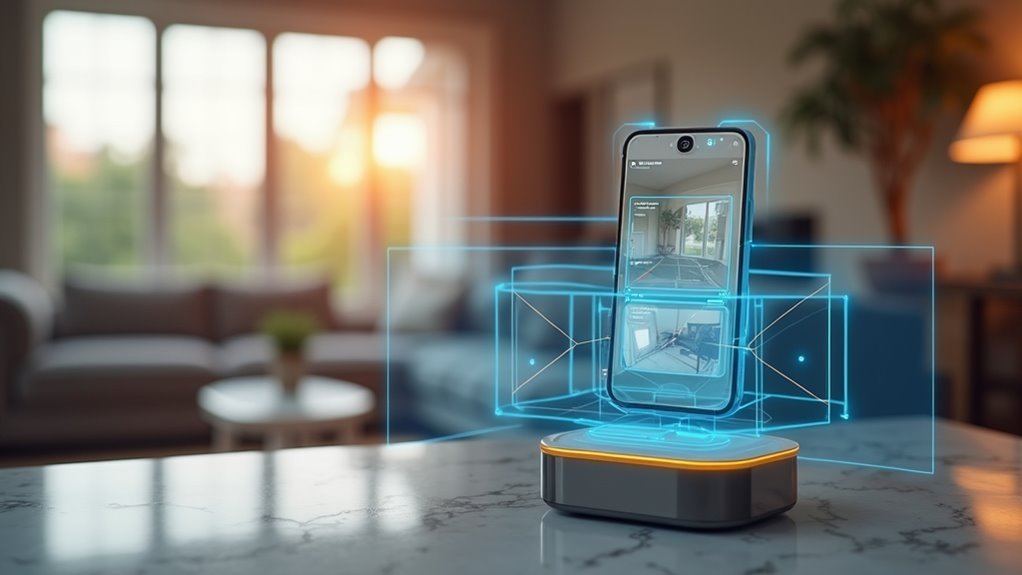
You’ll want to configure your camera’s motion detection settings to capture meaningful events while filtering out unnecessary triggers.
Creating custom activity zones lets you focus monitoring on specific areas like doorways or driveways while excluding high-traffic zones that generate false alerts.
Smart detection features can distinguish between people, animals, vehicles, and packages, ensuring you’re only notified about the activity that matters most to your security needs.
Smart Motion Detection Setup
Three key components define effective smart motion detection: motion type recognition, activity zone configuration, and notification customization. You’ll maximize your security camera’s efficiency by configuring specific motion triggers for people, animals, vehicles, and package deliveries. This eliminates false alerts from irrelevant movement while maintaining thorough monitoring.
| Motion Type | Best Use Case | Alert Priority |
|---|---|---|
| People | Main entrances, hallways | High |
| Vehicles | Driveways, parking areas | Medium |
| Animals | Yards, pet monitoring | Low |
Activity zones let you focus detection on critical areas while excluding distracting spaces. Enable “Invert Zone” to monitor motion outside defined boundaries. Configure different recording behaviors for home and away modes, ensuring your smart devices without unnecessary notifications maintain peak performance while delivering relevant security updates.
Creating Custom Activity Zones
Once you’ve established your motion detection preferences, creating custom activity zones gives you precise control over where your camera monitors movement.
You’ll set up Activity Zones through the Home app by defining specific areas that matter most, like doorways or driveways, while excluding spaces that generate unnecessary alerts.
You can create multiple zones for each camera, tailoring coverage to your exact needs.
The “Invert Zone” feature lets you monitor everything outside your defined areas instead. Remember that only cameras capable of recording specific motion types support this functionality.
The Home app makes zone management straightforward—you’ll easily create, modify, or remove zones as your monitoring requirements evolve, ensuring your system adapts to changing household patterns.
Reducing False Alert Notifications
While motion detection serves as your camera’s primary security feature, excessive notifications can quickly become overwhelming and reduce your system’s effectiveness.
You’ll want to fine-tune your settings to receive only meaningful alerts that matter to your security.
- Configure specific detection types in the Home app to focus on people, animals, or vehicles rather than general movement that might trigger false alarms from shadows or lighting changes.
- Define Activity Zones around entry points where smart locks are installed, focusing detection on areas where unauthorized access might occur.
- Use Invert Zone options to monitor perimeters while ignoring indoor movement when you’re home but want remote access monitoring for exterior threats.
- Adjust home and away modes to match your presence and security needs.
Set Up Smart Notification Systems

Smart notifications transform your camera-integrated home hub from a passive recording device into an active security partner that keeps you informed without overwhelming your daily routine.
Configure notifications in the Home app to receive alerts for specific motion types like people, animals, vehicles, or package deliveries. This targeted approach reduces unnecessary interruptions while maintaining security awareness.
Smart motion filtering helps you stay informed about what matters most while avoiding alert fatigue from irrelevant activity.
Access your iPhone’s Home app settings to enable activity notifications for motion detection and status changes. Customize alerts based on time, presence, and motion type to receive relevant information whether you’re home or away.
Create activity zones within camera settings to focus detection on important areas, filtering out alerts from less relevant locations. Like smart homes and smart plugs, regularly adjust notification settings to align with your evolving lifestyle and camera setup.
Establish Reliable Storage Solutions
Effective storage solutions form the foundation of any camera-integrated home hub system, determining how long you can access recorded footage and review important security events.
Home Hubs equipped with cameras need reliable storage solutions that won’t overwhelm your device’s capacity while maintaining quick access to critical recordings.
Consider these essential storage strategies:
- Subscribe to iCloud+ for HomeKit Secure Video to guarantee recorded clips don’t count against your storage limits while providing seamless access through the Home app’s timeline feature.
- Configure Activity Zones to focus recording on specific areas, reducing unnecessary footage and optimizing your available storage space efficiently.
- Set different recording modes for home and away scenarios to tailor storage based on occupancy.
- Prioritize HomeKit-analyzed cameras for verified motion detection in stored clips.
Position Cameras for Maximum Coverage
Once you’ve established your storage foundation, strategic camera placement becomes essential for creating thorough security coverage throughout your home.
You’ll want to position cameras in high-traffic areas like entryways and driveways where they’ll capture the most important activities. Mount them high enough to prevent tampering while maintaining effective motion detection and broad viewing angles for maximum coverage.
Use your Home app to create Activity Zones that focus detection on specific areas, reducing unnecessary alerts from irrelevant zones.
Consider lighting conditions carefully—place cameras in well-lit spots or choose models with night vision capabilities.
Regular assessment and adjustment of camera positions guarantee you maintain ideal coverage as your security needs evolve over time.
Maintain Security Through Regular Updates
While positioning cameras correctly establishes your security foundation, maintaining that protection requires consistent attention to software updates across your entire smart home ecosystem.
You’ll need to prioritize these essential update practices:
- Enable automatic updates for your Home Hub and cameras to streamline the process and catch critical security enhancements without delay.
- Keep your Home app current to guarantee compatibility with latest security features and maintain peak user experience.
- Update HomeKit Secure Video cameras regularly to benefit from enhanced encryption and improved security protocols for recorded footage.
- Check connected Home accessories frequently, including bridges and sensors, to maintain your ecosystem’s overall security integrity.
These consistent maintenance habits protect against vulnerabilities while guaranteeing your camera-integrated controllers deliver reliable performance and robust protection.
Frequently Asked Questions
Do Burglars Avoid Houses With Cameras?
Yes, you’ll find that burglars typically avoid houses with visible cameras. Research shows 60% of burglars won’t target homes with cameras, and they’re effective deterrents that reduce break-in risks greatly.
What to Do if Your Neighbor Has a Camera Pointed at My House?
Check your local privacy laws and talk directly with your neighbor about your concerns. Document the camera’s position and review property lines to understand your rights before escalating to authorities.
How Can I Improve My Wi-Fi Camera Signal?
Position your camera within 30 feet of your router for ideal signal strength. Use the 5GHz band, install a Wi-Fi extender if needed, avoid interference from electronics, and regularly update your router’s firmware.
Where Not to Install Security Cameras?
You shouldn’t install security cameras in bathrooms or bedrooms for privacy reasons. Don’t place them facing windows due to glare, near tamper-prone areas, busy hallways, or at improper heights creating blind spots.