You’re tired of your smart home devices becoming useless when your internet goes down or when manufacturers shut down their cloud services. Building a truly autonomous smart home means taking control back from tech giants and creating a system that works entirely within your four walls. The path to digital independence isn’t as complex as you’d think, but it requires strategic planning and the right foundation to succeed.
Choose Local-First Smart Home Hubs and Controllers

Why settle for smart home devices that depend on distant servers when you can maintain complete control within your own network?
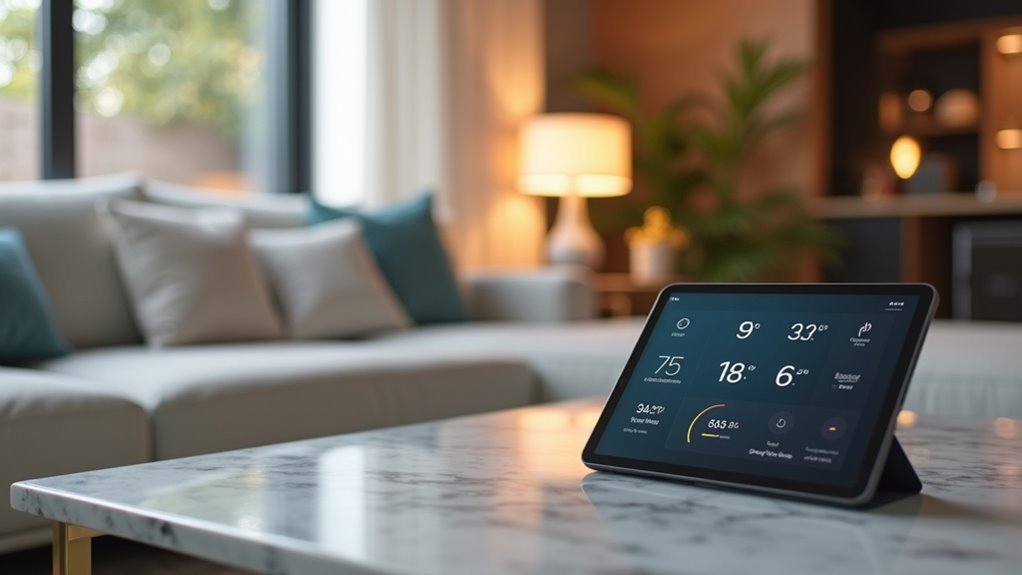
Local-first hubs like Home Assistant and Hubitat Elevation deliver extensive device compatibility and powerful automation without cloud dependencies. These controllers guarantee you maintain control over their data by processing everything locally within your home network, greatly enhancing data privacy and reliability.
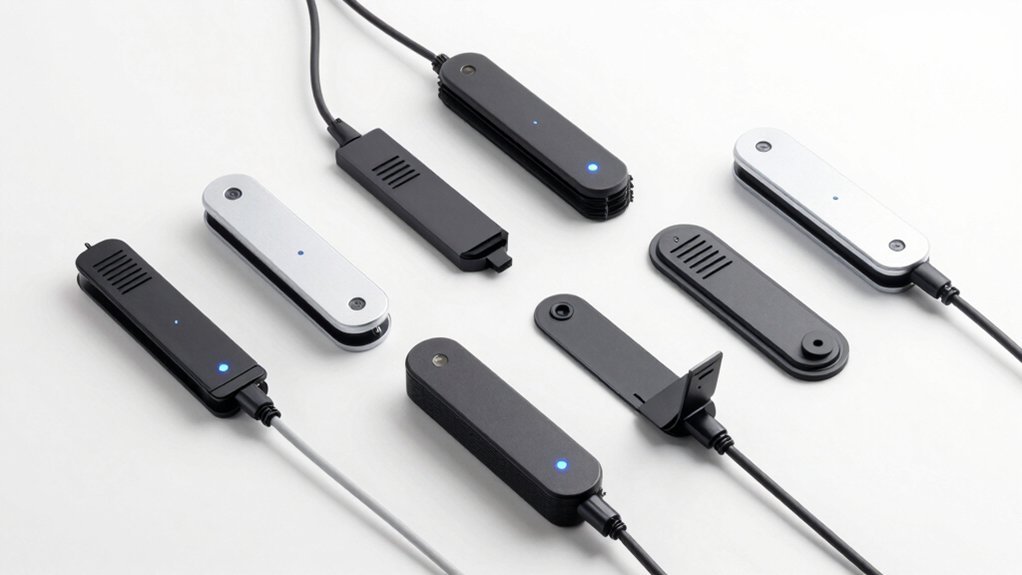
Look for hardware that integrates seamlessly with local control hubs, particularly Z-Wave and Zigbee sensors, which provide ideal performance and security.
Tap into community resources and forums associated with your chosen hub to troubleshoot issues and explore advanced features.
Avoid cloud-dependent devices like Wi-Fi smart bulbs and thermostats requiring external accounts, as they compromise your offline setup’s integrity.
Select Z-Wave and Zigbee Devices for Mesh Networking
When selecting Z-Wave and Zigbee devices for your smart home, you’ll need to verify they’re compatible with your local hub’s supported standards and frequency bands.
Your mesh network’s range will expand as you add more devices that can relay signals, but strategic placement of powered devices creates the strongest backbone for battery-operated sensors.
To maximize battery life in your wireless devices, choose models with efficient sleep modes and position them within ideal range of mesh repeaters to reduce transmission power requirements.
Device Compatibility Standards
Since building a reliable smart home network requires careful protocol selection, you’ll want to focus on Z-Wave and Zigbee devices that create robust mesh networks.
These device compatibility standards guarantee seamless communication between components while maintaining data sovereignty through local hub control.
Z-Wave Plus and Zigbee 3.0 represent the latest compatibility standards, offering enhanced security and improved performance.
Z-Wave’s sub-1 GHz operation eliminates Wi-Fi interference, while Zigbee supports up to 65,000 devices for extensive setups.
Both protocols prioritize cloud security by enabling direct device-to-hub communication without internet dependency.
This local processing preserves your privacy and guarantees automation continues during network outages.
When shopping, always verify these certification labels to confirm superior compatibility and future-proof your smart home investment.
Mesh Network Range
Although individual smart devices have limited range, Z-Wave and Zigbee’s mesh networking capabilities dramatically extend your coverage by turning each device into a signal repeater.
You’ll achieve superior connectivity without depending on cloud services, keeping your data residency local. Z-Wave supports up to 232 devices while maintaining low power consumption, perfect for most homes.
Zigbee accommodates over 65,000 devices, ideal for extensive setups with multiple sensors. Both protocols operate in sub-1 GHz frequencies, reducing Wi-Fi interference that plagues other systems.
Your mesh network grows stronger with each added device, creating redundant pathways that guarantee reliable communication. This self-healing architecture means if one device fails, signals automatically reroute through alternative paths, maintaining seamless operation throughout your smart home ecosystem.
Battery Life Optimization
| Feature | Benefit |
|---|---|
| Mesh networking | Reduces high-power transmission needs |
| Sleep mode | Conserves energy when inactive |
| Low battery warnings | Prevents operational disruptions |
You’ll maximize battery life optimization by leveraging the mesh capability, where devices relay signals to each other instead of constantly transmitting at full power. Many sensors automatically enter sleep mode during idle periods, dramatically extending operation time.
Don’t forget to install firmware updates regularly—they often include energy efficiency improvements that enhance your devices’ longevity and overall performance.
Set Up Local Network Infrastructure for Device Communication
When establishing your smart home’s foundation, you’ll need to prioritize your local network infrastructure to guarantee seamless device communication and ideal performance. Start by selecting a reliable router supporting Wi-Fi 6 standards for fast, stable connections.
Create a dedicated VLAN for smart devices to enhance data security and isolate them from your main network, ensuring compliance with local laws regarding network segmentation.
Implement a local DNS server like Pi-hole to manage domain resolution and improve speed while blocking ads. Use wired Ethernet connections for stationary devices such as smart hubs and security cameras to minimize latency.
Configure all devices to communicate via local protocols like Z-Wave or Zigbee rather than cloud services. This robust data infrastructure reduces vulnerabilities and maintains consistent performance across your entire smart home ecosystem.
Install Open-Source Home Automation Software

You’ll need to select an open-source home automation platform that matches your technical comfort level and smart home goals.
Before installation, assess your hardware requirements to guarantee your chosen device can handle the software’s processing demands and connected device load.
Once you’ve made these decisions, you can begin the initial configuration process to establish your automation hub’s core settings and network connections.
Choose Your Platform
The foundation of any robust smart home lies in selecting the right automation platform, and open-source solutions like Home Assistant and Hubitat Elevation offer unparalleled control over your connected devices without surrendering your data to third-party cloud services.
Home Assistant stands out with its extensive community support, vast integration options, and powerful automation capabilities. It’s perfect if you’re comfortable with technical configurations and want maximum customization.
Hubitat Elevation strikes an ideal balance between user-friendliness and local control, making it accessible for non-technical users while providing advanced features for experienced enthusiasts.
Both platforms run on local hardware like Raspberry Pi or dedicated servers, ensuring your data stays within your home network. This approach eliminates reliance on cloud computing while maximizing privacy and local control over your smart home ecosystem.
Hardware Requirements Planning
Before diving into device selection, map out your hardware ecosystem to guarantee seamless integration with your chosen automation platform.
Select a local control hub like Home Assistant or Hubitat Elevation that supports extensive device compatibility while maintaining data sovereignty through offline operation.
Prioritize Z-Wave or Zigbee devices for sensors and cameras since these protocols assure local control without internet dependency.
Consult your hub’s compatibility documentation to avoid cloud-dependent hardware that compromises your setup’s autonomy.
Invest in a reliable Network Video Recorder for on-premises video storage, eliminating cloud service reliance.
Incorporate locally-operating temperature and humidity sensors for environmental monitoring.
This strategic hardware planning strengthens security and compliance while creating a truly independent smart home ecosystem that functions entirely within your premises.
Initial Configuration Steps
Once you’ve mapped your hardware ecosystem, installing your chosen open-source automation platform becomes your next critical step.
Start by selecting Home Assistant or Hubitat Elevation, platforms designed for local control without cloud dependencies. Download the official installation image and choose your preferred method—Raspberry Pi, Docker, or dedicated server installation.
During initial setup, configure the system to operate entirely on your local network, ensuring all device communication processes data locally. This approach eliminates external internet requirements for core functionality.
Next, establish user accounts with appropriate permission levels for family members, creating customized access controls.
Finally, integrate your Z-Wave or Zigbee devices and establish automation rules that enhance functionality while maintaining complete offline operation for true smart home sovereignty.
Configure Local Storage for Security Camera Footage

While cloud storage offers convenience, setting up local storage for your security camera footage provides complete control over your data and eliminates monthly subscription fees.
Local storage puts you in complete control of your security footage while eliminating recurring cloud subscription costs entirely.
You’ll maintain complete data sovereignty by utilizing a Network Video Recorder (NVR) with local storage capabilities. Choose security cameras offering RTSP capabilities to stream footage directly to your NVR without internet dependency, ensuring compliance with privacy regulations.
Install hard drives with sufficient capacity—a single 1080p camera requires approximately 60GB monthly for continuous recording.
Configure motion detection settings to optimize storage space by recording only when activity occurs. Schedule regular backups to external drives or local servers to prevent data loss from hardware failures.
This approach keeps your surveillance system entirely within your home network.
Implement Offline Voice Control Systems
Building on your commitment to local data control, offline voice control systems offer the same privacy benefits for managing your smart home through spoken commands.
You’ll want to implement platforms like Mycroft on local devices, guaranteeing your voice data is stored entirely within your network rather than transmitted to external servers.
Raspberry Pi hardware provides an excellent foundation for running these systems cost-effectively. You can integrate natural language processing capabilities to create personalized commands and responses while maintaining full control over all processing.
Ascertain compatibility with local control hubs like Home Assistant for seamless automation integration.
Explore open-source voice recognition software that lets you customize functionalities according to your specific requirements while keeping complete ownership of your voice data.
Create Local Backup and Recovery Solutions
Since you’ve established local control over your smart home’s voice commands and data processing, you’ll need robust backup systems to protect these configurations from hardware failures or corruption.
Implement a Network Attached Storage (NAS) solution within your home network to maintain complete operational sovereignty over your smart home data. Configure automated backup software to regularly copy configuration files and device logs to your local storage system.
Deploy local NAS infrastructure with automated backup protocols to ensure complete data sovereignty and eliminate dependency on external cloud storage providers.
Set up RAID configurations within your NAS for enhanced data protection through redundancy. This guarantees hardware failures won’t compromise your smart home’s operational continuity.
Regularly test your backup and recovery processes to verify restoration capabilities work efficiently.
Document all device configurations and network settings offline, creating manual recovery guides that don’t rely on cloud services for system restoration.
Establish Network Segmentation for Device Security
You’ll want to create isolated VLAN networks that separate your smart devices by function and security level.
Configure firewall access rules between these segments to control which devices can communicate with each other and block unauthorized traffic.
Monitor device traffic patterns regularly to spot unusual activity that might indicate a security breach or compromised device.
Create Isolated VLAN Networks
Network segmentation through isolated VLANs creates distinct digital boundaries that prevent your smart home devices from communicating with each other unnecessarily.
You’ll enhance data protection regulation compliance while implementing robust access control measures that limit potential attack vectors.
Configure separate VLANs for different device categories—place security cameras and sensors on high-security networks, while isolating less secure devices like smart bulbs on restricted segments.
This network segmentation approach prevents compromised devices from accessing critical systems.
You can enforce unique security policies per VLAN, optimizing performance by reducing broadcast traffic across your network.
Smart devices will respond faster when they’re not competing with unnecessary network chatter.
Regularly audit your VLAN configurations as you add new devices, ensuring your segmentation strategy adapts to evolving threats and maintains strong defensive barriers throughout your smart home infrastructure.
Configure Firewall Access Rules
After establishing your VLAN infrastructure, configuring precise firewall access rules becomes your next critical defense layer against unauthorized network intrusions.
You’ll need to create specific rules that control traffic between your segmented subnets, allowing only essential communications while blocking everything else. Start by defining which devices can communicate with each other and establish strict protocols for data transfers.
Your rules should incorporate data protection regulation compliance standards, ensuring encryption keys remain secure during device communications. Implement deny-all policies as default, then selectively permit necessary traffic.
Regular monitoring and updating of these rules maintains network segmentation effectiveness. Consider hardware firewalls with intrusion detection capabilities for enhanced protection against sophisticated threats targeting your smart home ecosystem.
Monitor Device Traffic Patterns
Once your firewall rules are active, monitoring device traffic patterns becomes essential for detecting security threats and maintaining network integrity.
You’ll need to establish baseline behaviors for each connected device to identify anomalies that could signal security breaches. Network segmentation amplifies this monitoring effectiveness by isolating suspicious activity within specific segments, preventing potential threats from spreading across your entire smart home ecosystem.
Regular analysis of traffic logs reveals unauthorized access attempts and unusual data flows between devices.
You should implement automated alerts for unexpected communication patterns, especially between devices that typically don’t interact.
- Baseline establishment: Document normal traffic volumes and communication patterns for each device type
- Anomaly detection: Set alerts for unusual data transfers or unexpected device connections
- Segment monitoring: Track cross-segment communications to identify potential lateral movement
- Log analysis: Review daily traffic reports to spot gradual changes in device behavior
Program Custom Automations Without Internet Dependency
While cloud-based smart home systems offer convenience, they’ll leave you stranded when your internet goes down or when services experience outages. Your data must stay within your local network to maintain control during connectivity issues. Home Assistant and Hubitat Elevation excel at creating robust automations that operate independently from internet services.
| Protocol | Local Processing | Setup Complexity | Device Compatibility | Reliability |
|---|---|---|---|---|
| Z-Wave | Excellent | Medium | High | Very High |
| Zigbee | Excellent | Medium | Very High | High |
| Wi-Fi | Variable | Low | Excellent | Medium |
| Bluetooth | Good | Low | Medium | Medium |
| Hardwired | Perfect | High | Low | Excellent |
Implement Z-Wave or Zigbee devices with Node-RED for complex workflows. Configure motion sensors, door contacts, and temperature monitors to trigger lights, alarms, and HVAC systems automatically. Regular local backups guarantee quick restoration without cloud dependencies.
Monitor and Maintain Your Offline Smart Home System
Since your offline smart home system operates independently from cloud services, you’ll need proactive monitoring strategies to catch issues before they disrupt your daily routines.
Digital sovereignty requires vigilant oversight of your self-managed infrastructure. Local monitoring tools like Home Assistant’s built-in dashboard provide real-time device status without external dependencies. You’ll maintain regulatory compliance by keeping firmware updated across all connected devices and hubs.
- Implement redundancy systems with multiple sensors for critical functions like security and climate control to prevent single points of failure
- Create automated local alerts that notify you immediately when devices malfunction or detect unusual activity
- Schedule regular configuration backups to prevent data loss and enable quick system recovery
- Monitor device performance metrics continuously using dashboard tools to identify potential issues early
Frequently Asked Questions
What Happens to My Smart Home When the Internet Goes Down?
When your internet goes down, cloud-dependent smart devices stop responding to remote commands and automation. You’ll lose voice control, mobile app access, and scheduled routines, but local devices continue basic functions.
Can I Still Receive Software Updates Without Cloud Connectivity?
You can’t receive automatic updates without cloud connectivity, but you’ll manually download firmware files from manufacturers’ websites and install them locally through your devices’ web interfaces or apps.
How Do I Troubleshoot Devices That Previously Relied on Manufacturer Apps?
You’ll need to identify the device’s local interface, check manufacturer documentation for direct access methods, use network scanning tools to find IP addresses, and explore open-source firmware alternatives like OpenWrt or Tasmota.
Will My Home Insurance Cover Damages From DIY Smart Home Setups?
You’ll need to check your specific policy terms and contact your insurer directly. Most standard homeowner’s insurance covers electrical damages, but DIY modifications might affect claims depending on proper installation and local code compliance.
Can Guests Easily Connect and Control Devices Without Technical Knowledge?
You’ll need to create user-friendly interfaces for guests. Consider setting up dedicated guest networks, simple mobile apps, or physical control panels. Without proper setup, guests will struggle with complex technical configurations and multiple authentication steps.