
You’re likely spending more on baseboard heating than necessary. Smart controllers can cut your energy costs considerably, but choosing the right one matters. With so many options available—from Matter-compatible devices to Z-Wave systems—you’ll need to understand which features actually deliver savings. We’ll break down seven controllers that can transform how you manage your heating expenses.
| Mysa Smart Thermostat LITE Line Voltage Electric Baseboard | 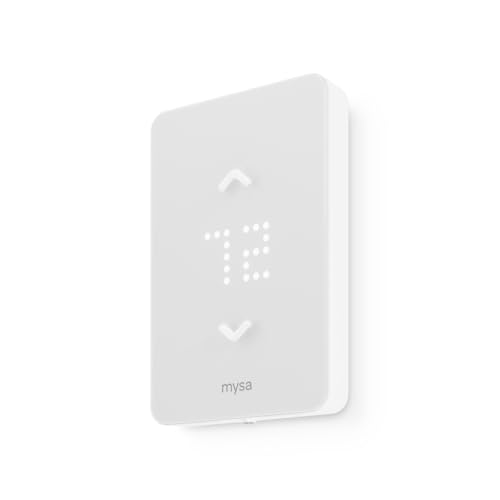 | Best Overall | Smart Home Integration: Apple HomeKit, Amazon Alexa, Google Assistant | Voltage Compatibility: 120V/240V | Energy Monitoring: Energy reports via app | CHECK ON AMAZON | Read Our Analysis |
| Meross Smart Thermostat for Electric Baseboard Heaters |  | Most Features | Smart Home Integration: Apple Home, Amazon Alexa, Google Home, SmartThings | Voltage Compatibility: 120V/240V (max 16A, 1920W at 120V; 3840W at 240V) | Energy Monitoring: Real-time power consumption and historical data | CHECK ON AMAZON | Read Our Analysis |
| Meross Matter Smart Thermostat for Electric Baseboard Heater | 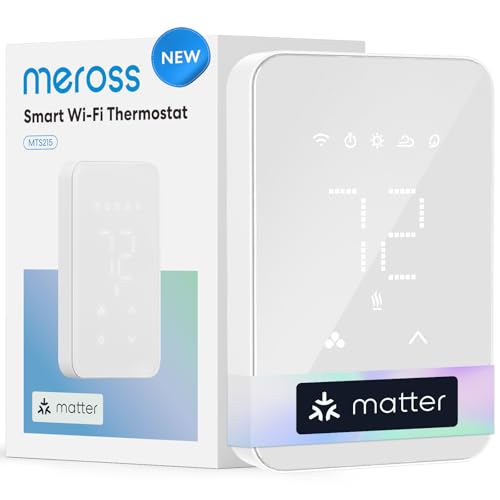 | Best Future-Proof | Smart Home Integration: Apple Home, Amazon Alexa, Google Home, SmartThings, Matter compatible | Voltage Compatibility: 120V-240V (high-line voltage only) | Energy Monitoring: Real-time electricity consumption and historical usage data | CHECK ON AMAZON | Read Our Analysis |
| Mysa Smart Thermostat for Electric Baseboard Heaters |  | Best Design | Smart Home Integration: Apple HomeKit, Amazon Alexa, Google Assistant | Voltage Compatibility: 120V-240V (up to 1900W at 120V; 3800W at 240V) | Energy Monitoring: Energy Insights | CHECK ON AMAZON | Read Our Analysis |
| Cadet F Series Baseboard Thermostat (BTF2W) |  | Budget Pick | Smart Home Integration: None (manual thermostat only) | Voltage Compatibility: 120V/208V/240V (22 Amp) | Energy Monitoring: None | CHECK ON AMAZON | Read Our Analysis |
| Stelpro Z-Wave KI Smart Thermostat for Electric Baseboards |  | Best Smart Home | Smart Home Integration: SmartThings, Vera, HomeSeer, Nexia, Wink (Z-Wave gateway required) | Voltage Compatibility: 240V (4000W) | Energy Monitoring: Energy-efficient operation with Eco mode | CHECK ON AMAZON | Read Our Analysis |
| Wi-Fi Smart Thermostat for Electric Baseboard Heaters |  | Best For Rentals | Smart Home Integration: Amazon Alexa, Google Assistant | Voltage Compatibility: 120V-240V | Energy Monitoring: Program to reduce energy costs | CHECK ON AMAZON | Read Our Analysis |
More Details on Our Top Picks
Mysa Smart Thermostat LITE Line Voltage Electric Baseboard
Are you struggling to heat hard-to-reach spaces like garages, workshops, or sunrooms without breaking the bank? Mysa’s Smart Thermostat LITE solves this problem. You’ll install it in 15 minutes without an electrician, then control your baseboard heater remotely via smartphone. The app lets you create custom schedules, monitor multiple rooms, and access energy reports—all free. Compatible with 120V, 208V, and 240V systems, it works with Apple HomeKit, Alexa, and Google Assistant. You’ll reduce heating costs by up to 26% while maintaining comfort. With UL certification, a two-year warranty, and North American support, you’re getting a reliable, subscription-free solution.
- Smart Home Integration:Apple HomeKit, Amazon Alexa, Google Assistant
- Voltage Compatibility:120V/240V
- Energy Monitoring:Energy reports via app
- Temperature Scheduling:Custom heating schedules for each day
- Open Window Detection:None mentioned
- Installation Complexity:DIY in 15 minutes; 4-wire installation; no electrician needed
- Additional Feature:Up to 26% heating cost reduction
- Additional Feature:DIY 15-minute installation
- Additional Feature:No subscriptions or hidden fees
Meross Smart Thermostat for Electric Baseboard Heaters
If you’re seeking seamless integration with your existing smart home ecosystem, the Meross Smart Thermostat stands out as an exceptional choice for electric baseboard heating control. You’ll appreciate its compatibility with Apple Home, Alexa, and Google Home, enabling voice commands through Siri, Alexa, or Google. Installation takes under 30 minutes with a straightforward setup process. The device monitors real-time energy consumption and offers Open Window Detection to prevent heating waste. You can schedule temperatures between 41°F and 95°F with 1°F accuracy through the Meross app’s 24/7 graphic scheduler. Its power-off memory preserves your settings during outages, automatically resuming when electricity returns.
- Smart Home Integration:Apple Home, Amazon Alexa, Google Home, SmartThings
- Voltage Compatibility:120V/240V (max 16A, 1920W at 120V; 3840W at 240V)
- Energy Monitoring:Real-time power consumption and historical data
- Temperature Scheduling:7×24 smart graphic schedule
- Open Window Detection:Open Window Detection pauses heating
- Installation Complexity:Under 30 minutes; requires 4+ wires
- Additional Feature:Real-time power consumption monitoring
- Additional Feature:Open window detection automation
- Additional Feature:1°F temperature accuracy
Meross Matter Smart Thermostat for Electric Baseboard Heater
You’ve got high-voltage electric baseboard heating, and you’re tired of manually adjusting your thermostat or paying inflated energy bills—so why not automate it? The Meross Matter Smart Thermostat handles 120-240 VAC systems seamlessly, supporting baseboard, convector, and fan-forced heaters. You’ll control temperature via the Meross app or voice commands through Alexa, Apple Home, Google Home, or SmartThings—no vendor lock-in required. Smart scheduling lets you automate heating while you’re away, and open window detection pauses heating when fresh air’s flowing. Real-time energy monitoring shows exactly what you’re spending, helping you cut costs without sacrificing comfort.
- Smart Home Integration:Apple Home, Amazon Alexa, Google Home, SmartThings, Matter compatible
- Voltage Compatibility:120V-240V (high-line voltage only)
- Energy Monitoring:Real-time electricity consumption and historical usage data
- Temperature Scheduling:Smart Scheduling for 24/7 automation
- Open Window Detection:Open Window Detection pauses heating
- Installation Complexity:Standard installation for high-line voltage systems
- Additional Feature:Universal Matter ecosystem compatibility
- Additional Feature:No ecosystem lock-in required
- Additional Feature:Historical usage data tracking
Mysa Smart Thermostat for Electric Baseboard Heaters
The Mysa Smart Thermostat stands out for homeowners with high-voltage electric baseboard heating systems who want remote temperature control without replacing their existing infrastructure. You’ll get app-based scheduling, geofencing, and voice control through Alexa, Google Assistant, and Apple HomeKit. The thermostat handles up to 3800W at 240V and fits baseboard heaters, fan-forced convectors, and radiant ceiling systems. Its compact design features adaptive display brightness that adjusts when you approach. You’ll appreciate energy insights that help reduce consumption. Installation’s straightforward with four-wire compatibility. At $4.5 stars from 1,266 reviews, it’s a proven choice for upgrading your heating efficiency.
- Smart Home Integration:Apple HomeKit, Amazon Alexa, Google Assistant
- Voltage Compatibility:120V-240V (up to 1900W at 120V; 3800W at 240V)
- Energy Monitoring:Energy Insights
- Temperature Scheduling:Scheduling (under 1 minute setup)
- Open Window Detection:None mentioned
- Installation Complexity:Easy install; 4+ wires required
- Additional Feature:Adaptive brightness sleep/wake technology
- Additional Feature:40% smaller form factor
- Additional Feature:Audible touch feedback response
Cadet F Series Baseboard Thermostat (BTF2W)
For those seeking straightforward temperature management without complex programming, Cadet’s F Series Baseboard Thermostat delivers reliable control with its intuitive twist dial and 45–80ºF range. The BTF2W model handles up to 22 amps at 120/208/240 volts, making it compatible with Cadet F series baseboard heaters. You’ll appreciate its simple installation—it mounts to either end of your heater without requiring additional wiring. The white design seamlessly blends with your baseboard unit. While it lacks smart features like scheduling or remote access, you gain dependable analog temperature regulation and straightforward operation. It’s an ideal choice if you prefer manual control over complexity.
- Smart Home Integration:None (manual thermostat only)
- Voltage Compatibility:120V/208V/240V (22 Amp)
- Energy Monitoring:None
- Temperature Scheduling:Manual twist dial (45°-80°F range)
- Open Window Detection:None
- Installation Complexity:Easy built-in installation; mounts to heater end
- Additional Feature:Simple twist dial control
- Additional Feature:Built-in double pole functionality
- Additional Feature:22 amp capacity rating
Stelpro Z-Wave KI Smart Thermostat for Electric Baseboards
If you’re looking to upgrade baseboard and convector heaters with smart automation, Stelpro’s Z-Wave KI thermostat delivers the connectivity you need. This 240V controller works seamlessly with SmartThings, Vera, HomeSier, Nexia, and Wink ecosystems, letting you manage heating remotely via mobile app or computer. You’ll enjoy scheduled temperature control to reduce energy bills, plus eco mode for efficient operation. The integrated mechanical thermostat features a smart backlight and advanced automations—trigger heating based on door sensors, motion detectors, or temperature readings. With Z-Wave integration, you can activate scenes combining heating, lighting, and security. UL certified and backed by a 5-year warranty, it’s your straightforward path to intelligent baseboard heating.
- Smart Home Integration:SmartThings, Vera, HomeSeer, Nexia, Wink (Z-Wave gateway required)
- Voltage Compatibility:240V (4000W)
- Energy Monitoring:Energy-efficient operation with Eco mode
- Temperature Scheduling:Temperature schedules with advanced automations
- Open Window Detection:None mentioned
- Installation Complexity:Z-Wave requires 2-wire connection and gateway controller
- Additional Feature:First Z-Wave line voltage thermostat
- Additional Feature:2-wire heater connection compatible
- Additional Feature:5-year limited warranty included
Wi-Fi Smart Thermostat for Electric Baseboard Heaters
Want to manage your heating remotely while protecting your rental property or vacation home from costly freeze damage? This Wi-Fi Smart Thermostat lets you control 120-240V baseboard heaters from anywhere via smartphone app or voice commands through Alexa and Google Assistant. You’ll schedule heating programs for comfort and efficiency, overriding them as needed. The Fahrenheit LCD displays current temperature, targets, time, and Wi-Fi connectivity. Installation takes minutes with included components—screws, wall plate, and pigtail wires. You’ll reduce energy costs by operating heaters only when needed while maintaining temperatures above freezing, preventing pipe damage.
- Smart Home Integration:Amazon Alexa, Google Assistant
- Voltage Compatibility:120V-240V
- Energy Monitoring:Program to reduce energy costs
- Temperature Scheduling:Programmable scheduling
- Open Window Detection:None mentioned
- Installation Complexity:Quick setup; includes all components and custom wall plate
- Additional Feature:Prevents frozen plumbing protection
- Additional Feature:Custom wall plate included
- Additional Feature:Rental/vacation home optimized
Factors to Consider When Choosing Smart Baseboard Heater Controllers
When selecting a smart baseboard heater controller, you’ll need to verify voltage compatibility with your existing system and assess how complex the installation process will be for your setup. You should evaluate how well the controller integrates with your smart home ecosystem, whether it offers robust energy monitoring features, and how accurately it maintains your desired temperature settings. These five factors will determine whether you’re investing in a controller that truly enhances your heating efficiency and home automation experience.
Voltage and Compatibility
How do you know which smart baseboard heater controller will actually work with your home’s electrical system? You’ll need to match the controller’s voltage rating—120V, 208V, or 240V—to your heater and electrical setup. Some controllers support full-range operation across 120–240V, while others lock into a single voltage, limiting your options significantly.
Before purchasing, verify your electrical box has at least four wires and includes a neutral or second live wire for proper installation. Controllers designed for baseboard, convector, or fan-forced heaters aren’t interchangeable with two-wire configurations. Additionally, consider your home automation ecosystem. Z-Wave, ZigBee, or cloud-based systems determine compatibility with your existing hub and voice assistants, affecting seamless integration with your voltage-rated system.
Installation Complexity
Once you’ve confirmed your electrical system’s voltage and wiring configuration, you’ll need to assess how much time and effort the actual installation will demand. Most models advertise DIY installation within 15–30 minutes, though complexity depends on your wiring setup. Two-wire systems are simpler than four-wire configurations, which may require neutral or second live connections.
Wall-mounted units with included plates and screws streamline alignment and wiring access. Some thermostats offer plug-and-play compatibility with existing baseboard wiring, while others demand professional installation or gateway hubs for smart home integration.
Consider features like power-off memory and backlit displays, which preserve settings during outages and minimize post-installation adjustments. Evaluate whether you’ll handle installation yourself or hire a professional based on your comfort level with electrical work.
Smart Home Integration
Why limit your smart baseboard heater to standalone operation when you can weave it into your home’s broader ecosystem? You’ll want to consider which platforms matter most—Apple HomeKit, Amazon Alexa, and Google Assistant offer voice control and automation routines. Matter compatibility eliminates vendor lock-in, letting you control devices across multiple ecosystems seamlessly. If you’re considering Z-Wave or Zigbee models, remember they’ll need a compatible hub for remote access and scene automation. Beyond basic connectivity, examine the app’s native features and open APIs. Deeper customization of schedules, energy monitoring, and device triggers depends on these capabilities. Look for models supporting Open Window Detection or Eco modes, which enhance energy savings when paired with other smart sensors and automation rules.
Energy Monitoring Features
What makes energy monitoring so critical when selecting a smart baseboard heater controller? Real-time power consumption data and historical usage trends help you understand your heating patterns and identify opportunities for savings. You’ll track how schedule adjustments affect your monthly electricity bills directly through your app, enabling data-driven decisions that reduce waste. Open Window Detection pauses heating automatically when you crack a window open, preventing wasted energy from escaping. By reviewing monitoring data over time, you’ll spot consumption changes that reveal maintenance needs or upgrade opportunities. This information supports lower-carbon living by highlighting inefficiencies and empowering you to make smarter temperature adjustments that align with your sustainability goals.
Temperature Control Accuracy
How precisely can a smart baseboard heater controller maintain your desired temperature? Most modern units offer 1°F to 1°C accuracy increments, allowing you to fine-tune comfort exactly how you want it. You’ll find adjustable setpoints typically ranging from 41°F to 95°F, giving you substantial flexibility for different seasons and preferences.
These controllers maintain accuracy through digital sensing and precise PWM or relay control rather than relying on basic on-off cycling. Many models provide real-time temperature readouts in their apps, so you can verify actual room conditions against your target setpoint and adjust accordingly.
Open Window Detection further preserves accuracy by pausing heating when windows open, preventing energy waste while keeping your occupied space at the desired temperature.
App and Voice Control
Controlling your baseboard heater remotely transforms how you manage home comfort—you can adjust temperatures from anywhere with Wi-Fi through dedicated apps that put scheduling, energy monitoring, and automation at your fingertips. You’ll benefit from real-time power usage data and historical energy reports that help you track consumption patterns and identify savings opportunities.
Open window detection automatically stops heating when fresh air’s detected, preventing wasted energy. Voice control through Alexa, Google Assistant, or Apple HomeKit enables hands-free adjustments without reaching for your phone. Geofencing and automation triggers let you create smart routines that respond to your location or coordinate with other connected devices, ensuring your heating adapts intelligently to your lifestyle and maximizes efficiency effortlessly.
Warranty and Support
Beyond the convenience of remote adjustments and automation, you’ll want to examine the warranty and support backbone that protects your investment. Warranty lengths vary significantly—Mysa offers two years while Stelpro’s KI thermostat provides five years of limited coverage. Your specific wiring setup matters too, as compatibility requirements like needing four-plus wires or neutral connections influence what’s covered.
Support accessibility shapes your experience considerably. Mysa provides North America–based support with real people ready to assist, reducing frustration during installation or troubleshooting. Many controllers include free apps and online self-help resources, minimizing your dependence on external technicians and their associated costs.
Don’t overlook return policies either. Thirty-day return windows on certain products provide reassurance that you’re not locked into a poor choice, directly enhancing perceived warranty value.
Frequently Asked Questions
Do Smart Baseboard Heater Controllers Work With Existing Hardwired Baseboard Heaters Without Replacement?
Yes, you can install smart baseboard heater controllers on your existing hardwired baseboard heaters without replacing them. You’ll simply wire the controller between your thermostat and heater to gain smart control capabilities.
What Is the Average Payback Period for Investing in Smart Baseboard Heater Controllers?
You’ll typically recover your investment in 3-7 years, depending on your energy usage, local electricity rates, and heating habits. Most users see 15-30% energy savings annually, which accelerates your payback timeline markedly.
Can Smart Baseboard Controllers Reduce Heating Costs in Older Homes With Poor Insulation?
Yes, you’ll reduce heating costs in older homes with poor insulation by using smart baseboard controllers. They’ll optimize heat delivery and prevent wasteful overheating, cutting energy consumption even when your home’s envelope isn’t ideal.
Are Smart Baseboard Heater Controllers Compatible With Smart Home Voice Assistants Like Alexa?
Yes, most modern smart baseboard heater controllers you’ll find work with Alexa. You can voice-control your heating, set schedules, and monitor temperatures remotely through compatible models from major manufacturers.
How Do Smart Controllers Handle Power Outages and Maintain Programmed Schedules Afterward?
Your smart controller automatically restores your programmed schedule after power returns. Most models use battery backup or cloud storage to retain settings, so you won’t lose your customized heating preferences during outages.

Leave a Reply