
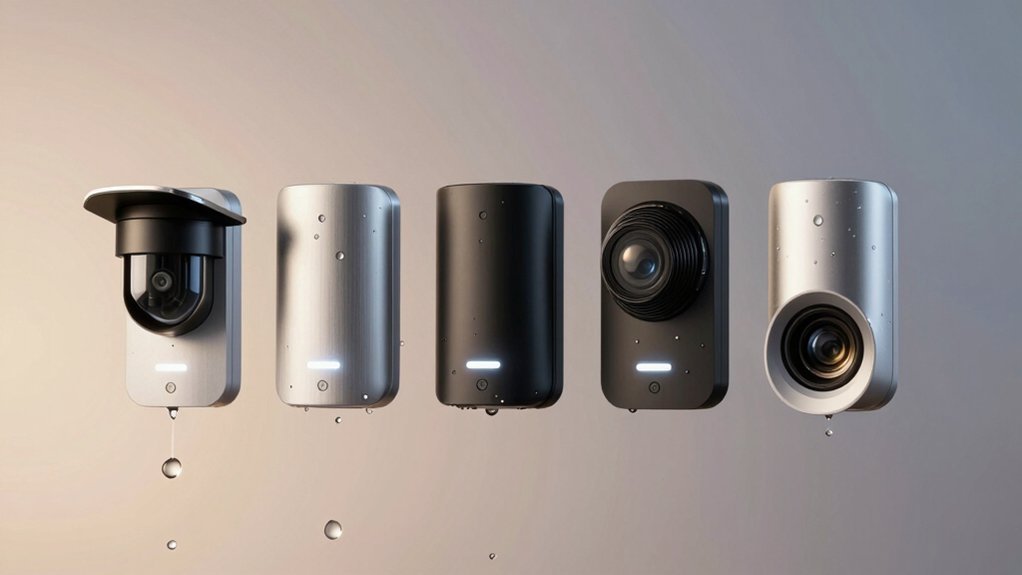
You’re probably wondering if smart rain sensors actually deliver on their promises. With so many options flooding the market, you’ll want to know which ones truly integrate seamlessly with your setup and which ones are just collecting dust. The right sensor can automate your irrigation and protect your home, but there’s a critical factor most people overlook that separates the winners from the rest.
| Smart Rain Sensor Wireless Solar Charging Weather Monitoring | 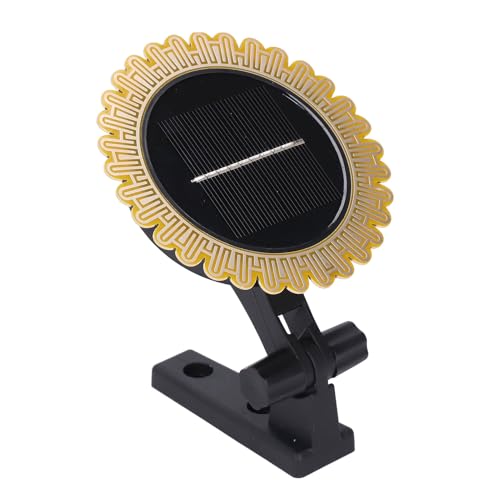 | Best Overall | Rain Detection Capability: Rain and light detection (2-in-1) | Smart Home Connectivity: ZigBee/Tuya app integration | Power Source: Solar charging with 1300mAh Li-ion battery | CHECK ON AMAZON | Read Our Analysis |
| Tuya ZigBee Rain Sensor Flood Detector Smart Home | 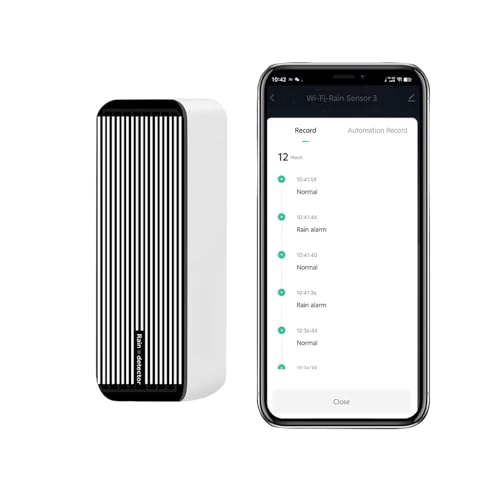 | Most Feature-Rich | Rain Detection Capability: Rain and flood detection (2-in-1) | Smart Home Connectivity: ZigBee/Tuya app with Alexa and Google Assistant | Power Source: Battery-powered (not included) | CHECK ON AMAZON | Read Our Analysis |
| Tuya Smart Zigbee Rain Sensor with Light Detector |  | Best Solar-Powered | Rain Detection Capability: Rain and light detection (2-in-1) | Smart Home Connectivity: ZigBee compatible | Power Source: Solar charging with lithium battery | CHECK ON AMAZON | Read Our Analysis |
| Smart Rain Sensor Solar Powered Wireless Weather Detector |  | Best Smart Integration | Rain Detection Capability: Rain and light detection (2-in-1) | Smart Home Connectivity: ZigBee and Tuya compatible | Power Source: Solar charging with 1300mAh Li-ion battery | CHECK ON AMAZON | Read Our Analysis |
| Hunter Rain Clik Wireless Rain Sensor System | Best for Irrigation | Rain Detection Capability: Rain detection only | Smart Home Connectivity: Direct irrigation controller integration (non-smart) | Power Source: Wireless (battery type unspecified) | CHECK ON AMAZON | Read Our Analysis |
More Details on Our Top Picks
Smart Rain Sensor Wireless Solar Charging Weather Monitoring
Are you tired of manually checking whether it’s safe to leave your garden sprinklers running or your outdoor furniture uncovered? This smart rain sensor eliminates that hassle. You’ll get instant alerts through the Tuya ZigBee app whenever rain’s detected, allowing you to automate responses immediately. Its dual detection monitors both rain and light conditions, giving you comprehensive weather insights. The built-in 1300mAh solar battery charges sustainably, so you won’t need frequent replacements. With an IPX6 waterproof rating, it handles heavy downpours without fail. Whether you’re managing gardens, lawns, or agricultural spaces, this sensor integrates seamlessly into your existing smart home ecosystem for truly hands-off weather monitoring.
- Rain Detection Capability:Rain and light detection (2-in-1)
- Smart Home Connectivity:ZigBee/Tuya app integration
- Power Source:Solar charging with 1300mAh Li-ion battery
- Water Resistance Rating:IPX6 waterproof
- Real-Time Notifications:Mobile app alerts via Tuya
- Installation/Mounting:Outdoor garden/lawn/agricultural use
- Additional Feature:Dual rain and light detection
- Additional Feature:1300mAh solar battery included
- Additional Feature:Garden/agricultural use optimized
Tuya ZigBee Rain Sensor Flood Detector Smart Home
If you’ve got a smart home ecosystem built on Tuya’s platform and you’re looking for seamless automation without complicated setup, the Tuya ZigBee Rain Sensor delivers real-time flood detection paired with intuitive scene linkage. You’ll receive instant app notifications and voice alerts when rainfall’s detected, letting you close windows or activate irrigation timers automatically. The device tracks daily rainfall records and battery status through the Smart Life app, supporting Alexa and Google Assistant voice commands. Just note you’ll need a ZigBee Gateway, separate batteries, and Tuya compatibility—Home Assistant isn’t supported. It’s ideal for coordinating multi-device automations across your connected home.
- Rain Detection Capability:Rain and flood detection (2-in-1)
- Smart Home Connectivity:ZigBee/Tuya app with Alexa and Google Assistant
- Power Source:Battery-powered (not included)
- Water Resistance Rating:Not specified
- Real-Time Notifications:Push notifications and voice reminders via app
- Installation/Mounting:Outdoor monitoring (specific mounting not detailed)
- Additional Feature:Daily rainfall records tracking
- Additional Feature:Multi-device scene linkage automation
- Additional Feature:Voice control (Alexa/Google)
Tuya Smart Zigbee Rain Sensor with Light Detector
Want a rain sensor that’ll keep working without constant battery replacements? The Tuya Smart Zigbee Rain Sensor with Light Detector solves that problem with solar charging and a built-in lithium battery. You’ll get dual functionality—rain detection and light intensity monitoring—in one weatherproof device. Its immersion gold process ensures excellent resistance to moisture and corrosion. With IPX6 waterproofing, you’re covered against heavy downpours. The Zigbee compatibility integrates seamlessly into your smart home ecosystem, and remote control capability gives you flexibility. This maintenance-free option delivers reliable performance without draining your wallet on replacement batteries.
- Rain Detection Capability:Rain and light detection (2-in-1)
- Smart Home Connectivity:ZigBee compatible
- Power Source:Solar charging with lithium battery
- Water Resistance Rating:IPX6 waterproof
- Real-Time Notifications:Remote monitoring (specific alert method not detailed)
- Installation/Mounting:Outdoor installation (specific mounting not detailed)
- Additional Feature:Immersion gold sensing process
- Additional Feature:Solar maintenance-free operation
- Additional Feature:High-capacity lithium battery included
Smart Rain Sensor Solar Powered Wireless Weather Detector
Looking to automate your garden irrigation without worrying about power bills or battery replacements? This smart rain sensor combines solar charging with a 3.7V 1300mAh Li-ion battery, ensuring year-round operation without external power sources. You’ll receive real-time app alerts whenever rain’s detected, keeping you informed whether you’re home or away. Its 2-in-1 sensor monitors both light and rainfall, providing comprehensive weather data. With an IPX6 rating, it withstands harsh conditions and maintains stable performance in heavy downpours or intense sun. Compatible with Zigbee and Tuya platforms, it integrates seamlessly into your home automation system for effortless garden irrigation control.
- Rain Detection Capability:Rain and light detection (2-in-1)
- Smart Home Connectivity:ZigBee and Tuya compatible
- Power Source:Solar charging with 1300mAh Li-ion battery
- Water Resistance Rating:IPX6 waterproof
- Real-Time Notifications:Mobile app alerts via Tuya
- Installation/Mounting:Outdoor weather monitoring
- Additional Feature:2-in-1 light/rain detection
- Additional Feature:Eco-friendly renewable energy powered
- Additional Feature:Garden irrigation control compatible
Hunter Rain Clik Wireless Rain Sensor System
Need a rain sensor that plays well with your existing irrigation setup? The Hunter Rain Clik Wireless Rain Sensor System delivers exactly that. This wireless sensor automatically commands your controller to shut off irrigation the moment rain starts, eliminating unnecessary watering. It’s compatible with most irrigation controllers, making integration straightforward. You’ll appreciate the flexible mounting options—install it on your eave, wall, fence, or gutter edge, depending on what works best for your home’s exterior. The Rain-Click sensor system combines simplicity with reliability, stopping your sprinkler workflow efficiently whenever rainfall occurs.
- Rain Detection Capability:Rain detection only
- Smart Home Connectivity:Direct irrigation controller integration (non-smart)
- Power Source:Wireless (battery type unspecified)
- Water Resistance Rating:Not specified
- Real-Time Notifications:Automatic controller shutoff signal (no app alerts)
- Installation/Mounting:Eave, wall, fence, or gutter mounting
- Additional Feature:Automatic sprinkler shutoff function
- Additional Feature:Multiple mounting surface options
- Additional Feature:Most controller compatibility supported
Factors to Consider When Choosing Smart Rain Sensors
When selecting a smart rain sensor, you’ll want to evaluate your power supply options—whether you prefer battery-operated, solar-powered, or hardwired systems. You should also verify that the sensor integrates seamlessly with your existing smart home ecosystem and offers the sensing capabilities you need, such as rainfall intensity detection or freeze alerts. Finally, confirm the waterproof rating meets your climate demands and that the app control features provide the automation and customization you’re seeking.
Power Supply Options
How you’ll power your smart rain sensor can markedly impact its long-term usability and maintenance requirements. Solar-powered options with built-in 1300mAh Li-ion batteries offer extended outdoor use while minimizing replacements. These systems deliver maintenance-free operation since they recharge during daylight hours, making them ideal for permanent installations.
Alternatively, you can choose wireless and battery-free models that rely on external power sources or long-lasting rechargeable cells. Both approaches reduce frequent maintenance demands significantly.
Regardless of which option you select, most smart sensors report battery status directly to your app. You’ll receive low-battery alerts that ensure continuous operation and prevent unexpected downtime. Combined with IPX6-rated weather protection, your chosen power solution will keep your sensor running reliably through rain and harsh conditions.
Smart Home Compatibility
Choosing a smart rain sensor that integrates seamlessly with your existing smart home ecosystem can dramatically simplify automation and control. You’ll want to verify ZigBee compatibility if you’re using a compatible hub, as this enables reliable connectivity and cross-device automation. Check whether your sensor supports voice assistants like Alexa or Google Assistant for hands-free operation. Consider whether you’ll need a dedicated ZigBee gateway—some sensors require one, adding setup complexity. Built-in smart apps like Tuya or Smart Life offer real-time alerts and scene linkage capabilities. If you’re planning multi-device automation involving irrigation systems or window actuators, ensure your sensor works with those devices. Compatibility assessment upfront prevents frustrating integration headaches later.
Sensing Capabilities
What separates a truly effective smart rain sensor from a mediocre one? It’s the sensing capabilities that determine how well your system protects your garden and home.
You’ll want to evaluate both accuracy and response time. Quick detection means your irrigation shuts off faster, preventing water waste and potential damage. Look for sensors using immersion gold or similar robust technology—these handle varied weather conditions reliably.
Consider whether you need multi-parameter monitoring. Combined rain and light detection in a single unit offers comprehensive weather awareness, letting you automate outdoor lighting alongside irrigation control.
Don’t overlook sensitivity settings. You need precise precipitation detection that distinguishes between light mist and genuine rain, ensuring your automation responds appropriately to actual weather events.
Waterproof Rating Standards
Why does a rain sensor’s waterproof rating matter more than you’d think? You’re installing this device to detect rainfall, so it must withstand constant moisture exposure. Look for IPX6 or higher ratings—IPX6 handles powerful water jets from any direction, making it ideal for heavy rain without full immersion protection.
IP65 and IP67 ratings offer enhanced value. The first digit indicates dust resistance, while the second covers immersion capability. IP67, for example, provides both dust protection and temporary submersion safety.
Don’t settle for ratings alone. Validate durability against real-world conditions including temperature fluctuations, UV exposure, and humidity levels. These factors significantly impact long-term performance. A sensor with an impressive waterproof rating might fail prematurely if it can’t handle your climate’s specific challenges. Choose accordingly.
App Control Features
How much control you actually have over your rain sensor depends entirely on its app capabilities. You’ll want real-time rain alerts and push notifications that keep you informed instantly. Look for apps offering detailed rainfall data, weather conditions, and event history so you can track daily precipitation patterns.
Remote control functionality lets you manage your sensor from anywhere, triggering automatic responses like closing windows or stopping irrigation when rain’s detected. Battery and power status monitoring give you low-battery alerts and solar charging visibility. Integration with ZigBee or Tuya ecosystems enables scene linkage and automation with other smart devices. Voice control compatibility with Alexa or Google Assistant adds convenience, though not all sensors support these ecosystems. Prioritize user-friendly apps with straightforward configuration options.
Installation Requirements
Once you’ve selected a sensor with the app features you need, you’ll want to contemplate the practical aspects of getting it installed and operational. Most smart rain sensors require specific mounting locations—walls, eaves, or gutters—and manufacturers often specify particular surface types and orientations for optimal performance.
You’ll need to verify that your chosen model supports your existing smart home hub, whether that’s ZigBee or another compatible gateway. Power requirements vary significantly: some sensors are solar-powered with rechargeable batteries, while others demand external power or regular battery replacements.
Check the waterproof rating; IPX6 or higher ensures your sensor withstands heavy rainfall and full outdoor exposure. Finally, account for setup time—you’ll pair the device via mobile app, possibly create an account, and configure it within your smart home platform before it becomes fully operational.
Weather Monitoring Range
Beyond installation logistics, you’ll want to evaluate what your sensor can actually detect. Weather monitoring range determines how effectively your sensor captures precipitation and light conditions across varying intensities.
You’ll find that rain sensors typically detect everything from light drizzle to heavy downpours, with sensitivity measured in millimeters per hour. Light detection capabilities span from shaded conditions to bright sunlight, enabling precise automation based on actual luminance levels.
Don’t overlook IP ratings like IPX6—they indicate water resistance and affect real-world performance in exposed environments. Your sensor’s connectivity method matters too; ZigBee or Wi-Fi influences data reporting speed and latency, ensuring your system responds quickly to changing weather.
Prioritize sensors matching your climate’s typical conditions and your automation needs for optimal reliability.
Automation Integration Potential
What good is detecting rain if your sensor can’t communicate with the rest of your smart home? You’ll want a rain sensor that integrates seamlessly with your existing ecosystem through Zigbee or compatible protocols. Look for models supporting real-time mobile alerts and app-integrated scene linking—these enable rapid automation triggers across multiple devices. Ensure the sensor works with your gateway requirements, whether that’s a ZigBee hub or your current smart home platform. The best sensors offer granular data on rainfall and light levels, allowing you to create nuanced automation sequences. This means your irrigation stops, curtains close, and vents shut automatically when rain’s detected. True automation potential means coordinated responses, not isolated sensor readings.
Frequently Asked Questions
How Much Do Quality Smart Rain Sensors Typically Cost Compared to Basic Models?
You’ll typically spend $50–$150 on quality smart rain sensors, while basic models cost $20–$40. The premium versions offer better accuracy, smartphone connectivity, and integration with your existing smart home systems.
What Is the Average Battery Life of Wireless Smart Rain Sensors Before Replacement?
You’ll find most wireless smart rain sensors last between two to five years on a single battery set. However, premium models with efficient processors can stretch beyond five years, while budget options might need replacement annually depending on usage.
Can Smart Rain Sensors Integrate With Existing Irrigation Systems From Different Manufacturers?
You can integrate most modern smart rain sensors with existing irrigation systems from different manufacturers through standard protocols like WiFi, Zigbee, or Z-Wave. However, you’ll want to verify compatibility before purchasing to ensure seamless connection.
How Accurate Are Smart Rain Sensors in Detecting Light Drizzle Versus Heavy Rainfall?
You’ll find that most smart rain sensors accurately detect light drizzle through sensitivity adjustments, though they’re more reliable with heavy rainfall. You can calibrate thresholds to distinguish between precipitation types, ensuring your system responds appropriately.
Do Smart Rain Sensors Require Professional Installation or Can Homeowners Install Them Independently?
You can install most smart rain sensors independently without professional help. They’re designed for DIY setup with simple mounting hardware and wireless connectivity. You’ll just need basic tools and about fifteen minutes to get yours working.

Leave a Reply