

You’ve probably never given much thought to that small box tucked away in your basement or garage, but your doorbell transformer plays a critical role in keeping your home’s entry system functioning properly. When you choose the wrong transformer, you’re setting yourself up for frustrating malfunctions, weak chimes, and potentially expensive damage to your doorbell components. The consequences of this seemingly minor oversight can impact both traditional and smart doorbell systems in ways that’ll surprise you.
What Does a Doorbell Transformer Do?
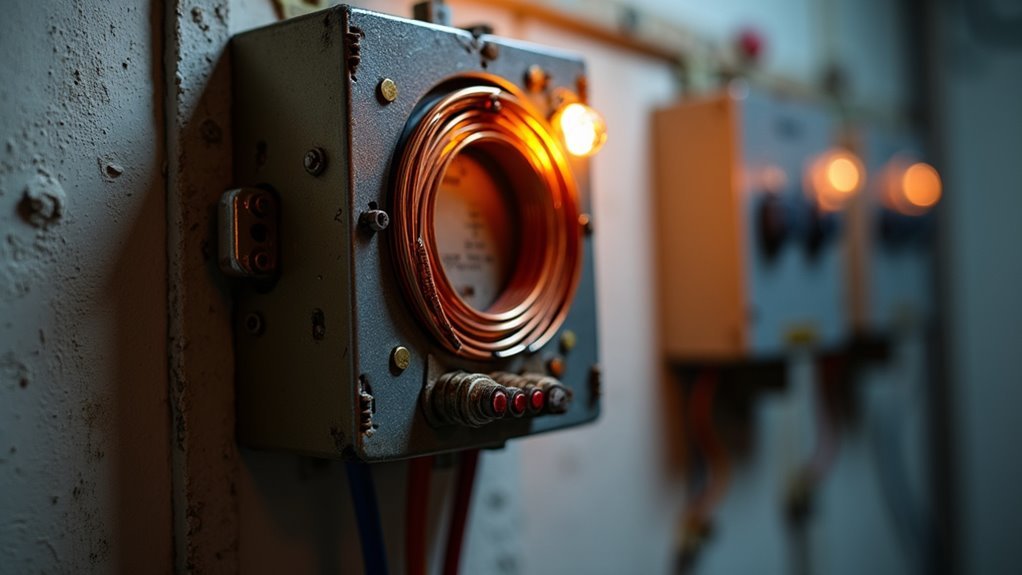
When you press your doorbell button, a doorbell transformer works behind the scenes to make that familiar chime possible.
This vital component converts the high voltage electricity from your home’s electrical system—typically 110-120V—down to a much lower, safer voltage of 10-24V that your doorbell actually needs.
Without this voltage conversion, your doorbell would be damaged by the excess electrical power flowing through your home’s wiring.
The doorbell transformer guarantees your system functions correctly while protecting it from electrical damage.
A doorbell transformer ensures proper system operation while safeguarding against potentially harmful electrical surges and voltage damage.
You’ll typically find this device housed in a metal box near your electrical panel or doorbell chime, with two terminals connecting to your doorbell wires.
It’s the critical link between your home’s power supply and your doorbell’s safe operation.
Understanding Voltage Requirements for Smart Doorbells
While traditional doorbells operate comfortably at 16V, smart doorbells demand more power to fuel their advanced features like Wi-Fi connectivity, video recording, and motion detection.
You’ll need a transformer that delivers 16-24V AC for peak performance. Most smart doorbells require at least 30VA to function without power interruptions.
Before installing your smart doorbell, check your existing transformer’s voltage compatibility. A 10V transformer won’t work with smart doorbells and could cause system failure or insufficient power delivery.
Using an incompatible transformer leads to weak chimes or device malfunction.
Choosing a transformer that meets your smart doorbell’s voltage and amperage requirements enhances functionality and longevity.
Proper electrical compatibility prevents damage from surges and guarantees reliable operation of your device’s advanced features.
How to Locate Your Existing Doorbell Transformer
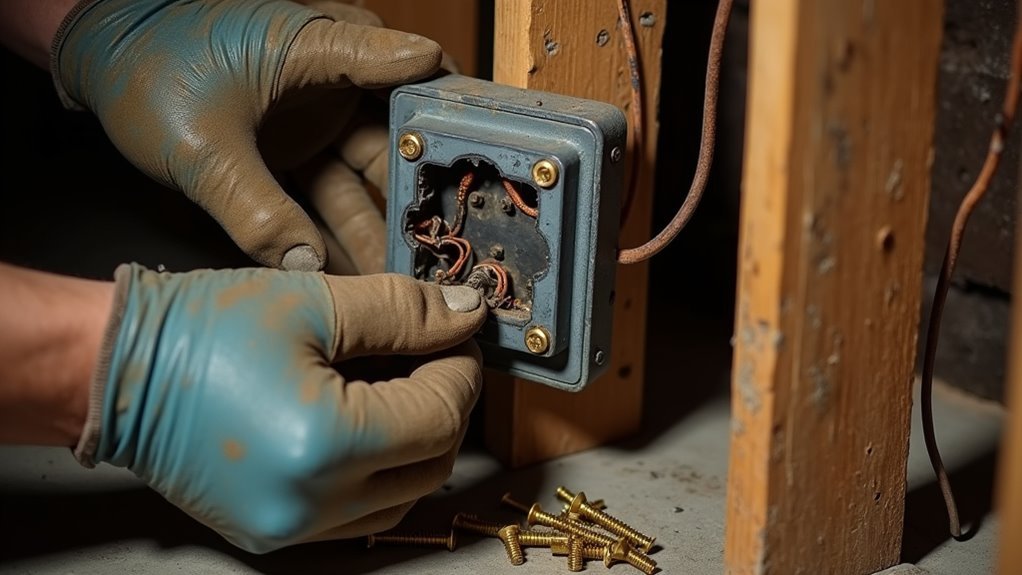
Where exactly is your doorbell transformer hiding in your home?
Start your search near the main electrical panel, as this is where doorbell transformers are most commonly installed. If it’s not there, expand your hunt to garages, attics, and utility rooms – these areas frequently house transformers.
Don’t overlook less obvious spots like behind light fixtures or near doorbell chimes themselves.
Check around security alarm keypads too, since some transformers integrate with these systems.
Crawl spaces are another potential hiding place for your existing transformer.
The key is being systematic in your search.
Begin with the most likely locations and work your way through each area methodically.
Once you’ve located your existing transformer, you’ll be ready to assess whether it meets your new doorbell’s requirements.
Signs Your Current Transformer Needs Replacement
How do you know if your current transformer is failing and needs replacement? Several warning signs indicate your doorbell transformer isn’t functioning properly.
If your doorbell chimes intermittently or fails to sound altogether, it suggests insufficient voltage or malfunction. Listen for buzzing or humming noises from transformers, which signal overload or impending failure requiring immediate attention.
You’ll also notice dim lighting on your doorbell button or inconsistent smart doorbell performance when adequate power isn’t being supplied. Frequent circuit breaker trips or blown fuses in the doorbell circuit indicate a faulty transformer needing replacement.
The most definitive test involves using a multimeter to check voltage output. If readings fall considerably below the required 16-24V range, you’ve confirmed your transformer needs replacement.
Voltage and VA Rating Compatibility Guide
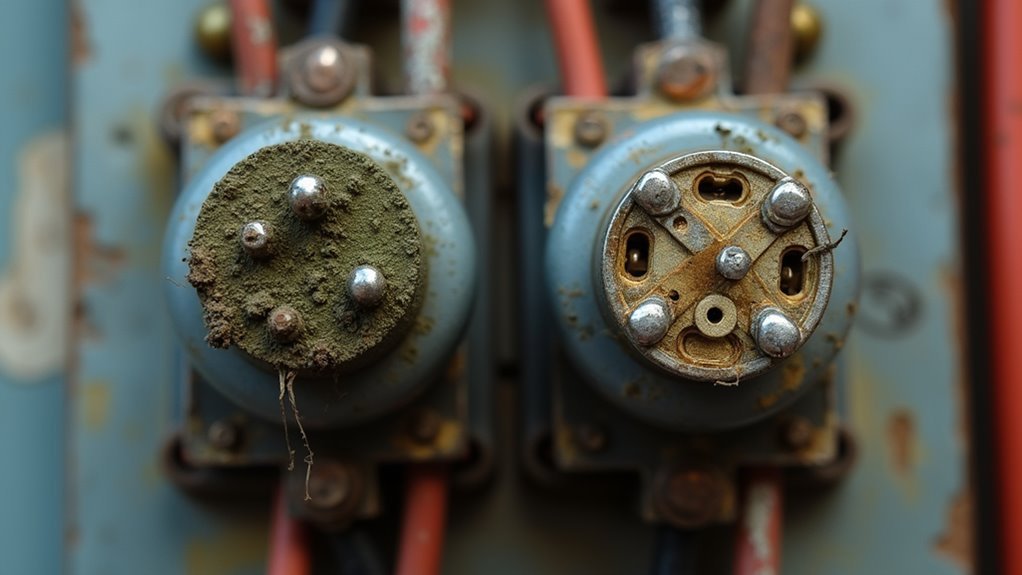
You’ll need to match your doorbell’s voltage requirements precisely to avoid damaging your system or causing performance issues.
Most standard wired doorbells operate at 16 volts, while video doorbells typically require 16-30V for ideal functionality.
Your VA rating selection determines how much power your transformer can supply, with higher ratings supporting multiple doorbells or longer wire runs without overheating.
Understanding Voltage Requirements
Why does selecting the correct voltage and VA rating matter so much for your doorbell system? You’ll face serious performance issues if your transformer doesn’t match your doorbell’s requirements. Most wired systems operate within 16-24 volts, but choosing the wrong voltage can cause weak chimes or complete failure.
| Doorbell Type | Recommended VA Rating |
|---|---|
| Traditional Wired | 10VA |
| Video Doorbell | 16-30VA |
| Smart Doorbell | 20-30VA |
Video doorbells demand higher amperage than traditional models, requiring transformers rated between 16-30VA for peak performance. Insufficient ratings lead to overheating transformers and system malfunctions. Always verify your doorbell’s specifications before selecting a transformer to guarantee reliable operation and prevent costly damage.
VA Rating Selection
Three critical factors determine your transformer’s VA rating selection: your doorbell type, power consumption, and circuit length.
Standard wired doorbells typically need a 10VA transformer for ideal performance, while video doorbells require around 30VA due to their higher power demands.
You’ll find that oversizing your VA rating is always safe since doorbells only draw the power they actually need. However, insufficient VA ratings cause serious problems like transformer humming and overheating.
When you’re powering multiple doorbells or running longer distances, consider a 16V, 30VA transformer like the T1630.
Testing Your Doorbell Transformer Output
You’ll need to measure your transformer’s voltage output to confirm it’s working properly before installing a new doorbell.
Set your voltage meter to 25VAC and test across the transformer’s two terminals – you should see around 16V for normal operation.
If you’re getting consistently lower readings, your transformer is likely faulty and needs replacement.
Voltage Measurement Steps
Testing your doorbell transformer’s output requires careful attention to safety and proper measuring techniques. Before beginning voltage measurement, turn off the main power to guarantee your safety when accessing the transformer.
Set your multimeter or voltage tester to measure AC voltage, preferably at 25VAC for accurate readings.
Touch the tester probes to the screw heads on the transformer terminals, maintaining secure connections throughout the process. You’ll want to see readings around 16V for ideal compatibility with most doorbell systems.
If your voltage measurement shows considerably lower readings than expected, this indicates potential transformer issues.
When readings fall below the typical 16-24V threshold required for your doorbell system, you should consider replacing the transformer to guarantee reliable performance and proper functionality.
Identifying Faulty Transformers
When your doorbell fails to chime or produces weak sounds, a faulty transformer often lies at the heart of the problem. Your transformer is an electrical component that requires regular testing to guarantee proper function. Start by measuring the voltage across the transformer’s terminals using a voltage tester set to 25VAC.
| Voltage Reading | Transformer Status | Action Required |
|---|---|---|
| Around 16V | Normal operation | Continue monitoring |
| 12-15V | Declining performance | Plan replacement soon |
| 8-11V | Poor function | Replace immediately |
| Below 8V | Failing/failed | Replace before installation |
| 0V | No output | Check wiring/replace |
If readings fall considerably below 16V, you’re dealing with a failing transformer. Additionally, inspect all doorbell wiring for visible damage, as faulty connections can affect voltage readings and overall performance.
Wiring Safety and Inspection Checklist
Before you begin any inspection of your doorbell transformer wiring, you must switch off the main power to eliminate the risk of electric shock. This critical wiring safety step protects you while examining your doorbell transformer system.
Check that your doorbell wire is 18-gauge and remains intact without splices, tears, or corrosion.
Inspect all transformer connections carefully, ensuring terminals are securely fastened to prevent loose wiring problems that can cause malfunctions.
Use a voltage tester to verify your transformer outputs the correct voltage—approximately 16V for ideal performance.
If you discover any damaged wiring during your inspection, you’ll need to replace it immediately. Damaged components create safety hazards and can compromise your entire doorbell system’s functionality.
Types of Doorbell Transformers Available
After ensuring your wiring meets safety standards, you’ll need to select from three primary transformer types that match your specific doorbell requirements.
Standard doorbell chime transformers operate at 16 volts, delivering sufficient power for traditional chime systems. These transformers work reliably with conventional doorbells and provide consistent performance.
Plug-in transformers offer portability and simple installation, making them ideal for temporary setups or locations lacking hardwired connections. You can easily relocate these units as needed.
Video doorbell transformers require higher voltage ratings, typically 16-24 volts, to support advanced features and maintain stable operation. These transformers handle the increased power demands of smart doorbell cameras.
Low voltage transformers provide versatility with adjustable outputs, accommodating both traditional and modern systems while meeting varying power requirements effectively.
Smart Doorbell Power Requirements Vs Traditional Doorbells
You’ll find that traditional doorbells typically operate on 16V with 10-15VA, making them compatible with basic transformers that provide lower power output.
Smart doorbells demand considerably more power, requiring 16-24V AC and higher amperage to support advanced features like video streaming, Wi-Fi connectivity, and continuous operation.
Understanding these power differences is essential because installing an inadequate transformer can cause your smart doorbell to malfunction, overheat, or fail completely.
Traditional Doorbell Voltage Needs
Two distinct power profiles separate traditional and smart doorbells, creating different transformer requirements for each system.
Your traditional doorbell voltage needs are straightforward and consistent. These systems operate effectively with a simple 16-volt transformer outputting 10VA, providing adequate power for basic chime functionality. Transformers are typically designed to deliver this fixed voltage without variation, making installation and maintenance uncomplicated.
You’ll find traditional doorbells draw minimal current since they only power mechanical chimes or simple electronic sounds. This lower power consumption means you won’t encounter overheating or humming issues that plague underpowered systems.
The simplicity of traditional doorbell voltage needs makes them reliable and cost-effective. When selecting a transformer for traditional setups, you can confidently choose standard 16V models that’ll provide years of consistent performance.
Smart Doorbell Power Demands
While traditional doorbells operate contentedly on basic power, smart doorbells demand considerably more energy to fuel their advanced capabilities. Your video doorbell requires 16-30VAC compared to traditional models that typically run on 16VAC.
You’ll need a robust power supply rated at 16-24VAC with higher amperage to support Wi-Fi connectivity, video streaming, night vision, and motion detection features.
These enhanced functionalities increase energy consumption since your smart doorbell maintains constant network connections. Insufficient voltage creates performance problems—you’ll experience delayed notifications, weak chimes, or complete system failure.
You must verify your transformer’s VA rating meets or exceeds total power requirements of all connected devices, especially when integrating with existing wired chimes. Upgrading your power supply guarantees peak smart doorbell performance.
Transformer Compatibility Considerations
Understanding power requirements leads directly to evaluating whether your existing transformer can handle your new smart doorbell’s demands.
Transformer compatibility becomes critical when upgrading from traditional systems. Your current 16V, 10VA transformer might’ve worked perfectly for basic doorbells, but smart doorbells need more robust power supplies to support video streaming and wireless notifications.
You’ll likely need to upgrade to a 16-30VA transformer to accommodate increased amperage demands. Models like the DH910 are specifically designed for video doorbells, ensuring adequate power delivery.
Don’t risk poor performance or complete system failure by using underpowered transformers. Smart doorbells operating below their required voltage specifications won’t function reliably, compromising your home security investment.
Installing a New Doorbell Transformer
How do you safely install a new doorbell transformer without risking electrical shock or damage to your system? Start by turning off power at the main breaker before beginning any work. Identify the correct transformer voltage for your doorbell systems, typically 16V to 24V for ideal compatibility.
| Installation Step | Action Required |
|---|---|
| Power Safety | Turn off main breaker |
| Voltage Check | Verify 16V-24V transformer voltage rating |
| Removal | Use screwdriver to detach old transformer |
| Wiring | Disconnect old wires carefully |
| Connection | Secure new transformer’s line side wires tightly |
Use a screwdriver to detach the old unit and disconnect wires carefully. Install the new transformer, ensuring all connections are tight and secure. After completing installation, restore power and test your doorbell to confirm proper functionality at the desired voltage.
Troubleshooting Low Voltage Issues
When your doorbell operates weakly or intermittently, you’re likely dealing with voltage drop that stems from several common causes.
You’ll need to systematically test your transformer’s output to pinpoint whether the issue lies with an inadequate power supply or compromised wiring connections.
Start by using a voltage tester at the transformer terminals to establish baseline readings before moving through the circuit.
Voltage Drop Causes
Several factors contribute to voltage drop in doorbell systems, with wire resistance being the primary culprit. When you’re running wires over long distances—typically exceeding 50 feet—voltage reduction becomes significant, especially with insufficient wire gauge.
Using 18-gauge wire creates more resistance than necessary, so you’ll want to upgrade to 16-gauge wire to minimize voltage drop.
Your transformer VA rating must match your doorbell’s demands. Insufficient VA ratings worsen voltage drop problems and cause poor performance. You’ll know there’s an issue when voltage readings fall below 16V at the doorbell terminals.
Testing voltage regularly with a multimeter across doorbell terminals helps you identify voltage drop issues early, ensuring your system operates consistently and preventing future performance problems.
Testing Transformer Output
Once you’ve identified potential voltage drop causes, testing your transformer’s actual output becomes your next step in diagnosing low voltage issues.
Testing transformer output requires careful attention to safety and proper measurement techniques to guarantee your door chime operates correctly.
Follow these steps for accurate testing:
- Turn off the main power breaker before beginning any transformer testing to prevent electrical shock.
- Use a voltage tester or multimeter set to 25VAC and measure voltage across the transformer’s two terminals.
- Verify the reading falls within 16-24 volts for ideal doorbell function.
- Check for damaged wiring or corrosion if voltage reads markedly below 16 volts.
Inspect doorbell wiring for splices or tears that create resistance and contribute to voltage drops.
Professional Installation Vs DIY Considerations
Before you decide whether to install your doorbell transformer yourself or hire an electrician, you’ll need to honestly assess your electrical knowledge and comfort level with home wiring projects.
Professional installation guarantees compliance with local electrical codes and safety standards, reducing electrical hazards while providing expert transformer selection based on your doorbell’s specific requirements.
However, DIY installation can save money if you understand electrical systems and use proper tools like voltage testers and multi-meters.
Improper wiring leads to malfunctions or system damage, making professional expertise valuable for complex installations.
If you’re unfamiliar with electrical work, hiring a licensed electrician provides peace of mind and guarantees safe, efficient completion that meets all safety standards.
Protecting Your Investment With Proper Equipment
When you install the right doorbell transformer, you’re protecting your entire doorbell system from costly damage and ensuring years of reliable operation.
Your wired doorbell system depends on a properly matched chime transformer to function safely and efficiently. Using incompatible equipment leads to expensive repairs and premature system failure.
A mismatched transformer puts your entire doorbell system at risk of expensive damage and early failure.
Here’s how proper equipment protects your investment:
- Prevents voltage damage – Operating within the 16-24V range keeps your system safe from electrical overload.
- Eliminates overheating issues – Compatible transformers like 16V, 10VA models prevent humming and heat buildup.
- Extends system lifespan – Proper installation safeguards against electrical malfunctions and costly repairs.
- Ensures adequate power supply – Correct VA ratings prevent intermittent operation and system failures.
Smart doorbells requiring 16-30V transformers need proper upgrades for peak performance.
Maintaining Your Doorbell Transformer System
Three simple maintenance steps can keep your doorbell transformer running smoothly for decades.
First, inspect your transformer and wiring regularly for wear, corrosion, or damage. Look for loose connections that can cause voltage drops and system malfunctions – tighten them immediately when found.
Second, test your transformer’s voltage output periodically using a voltage tester. Your system should deliver approximately 16V for peak performance. If readings fall markedly below this range, replacement may be necessary.
Third, protect transformers in humid locations with moisture-resistant enclosures. This prevents electrical issues and extends equipment lifespan considerably.
Don’t delay replacing damaged transformers. Continuing to operate faulty equipment leads to complete system failure and potentially costlier repairs down the road.
Frequently Asked Questions
How to Choose a Doorbell Transformer?
You’ll need to match the voltage output to your doorbell’s requirements, typically 16-24 volts. Check the VA rating—traditional doorbells need 10VA while video doorbells require up to 30VA for proper operation.
Can I Use a 30V Transformer With Nest Doorbell?
You shouldn’t use a 30V transformer with your Nest doorbell. It exceeds the recommended 16-24V AC range and can damage your device. You’ll need a compatible transformer to guarantee proper functionality.
Can I Use a 24V Transformer on a 10V Doorbell?
You shouldn’t use a 24V transformer on a 10V doorbell. The excessive voltage will likely damage the doorbell’s internal components, cause overheating, and lead to system failure or malfunction.
How Do I Choose the Right Transformer?
You’ll need to match your doorbell’s voltage requirements, check the VA rating needed, consider installation distance, verify compatibility with your specific model, and guarantee proper placement for safety.


Leave a Reply