

You’re probably watering your garden inefficiently without realizing it. Most homeowners use single-zone timers that treat sun-loving vegetables the same as shade plants, leading to overwatered herbs and stressed tomatoes. Three-zone irrigation controllers solve this by letting you customize watering schedules for different plant groups, but the real game-changer isn’t just the zoning capability—it’s how these systems use soil sensors and weather data to make decisions you’d never think to make.
Smart Zone Controllers That Optimize Watering Schedules by Plant Type
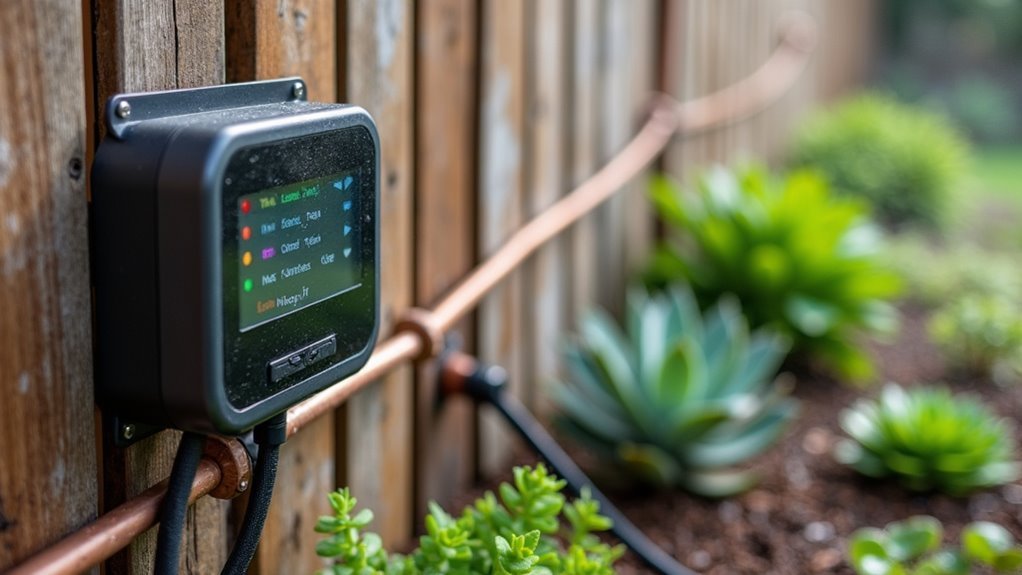
While traditional irrigation systems treat all plants the same, smart zone controllers revolutionize garden watering by creating customized schedules for different plant types.
You’ll discover these advanced systems understand that your roses need different hydration than your succulents or vegetables.
Smart zone controllers use soil moisture sensors to monitor real-time soil conditions across multiple watering zones, making automatic watering adjustments based on each area’s specific garden needs.
Smart zone controllers automatically adjust watering schedules by monitoring real-time soil moisture levels across multiple garden zones.
You can establish distinct schedules for sun-exposed beds versus shaded areas, ensuring ideal growth conditions.
These controllers integrate weather data to skip unnecessary cycles during rainy periods, promoting water conservation.
Through efficient water management, you’ll reduce costs while maintaining healthier plants.
The precision of customized schedules means you’re no longer guessing about watering timing or duration.
Multi-Zone Drip Irrigation Systems for Targeted Garden Coverage
Because different garden zones have varying water requirements, multi-zone drip irrigation systems deliver precise hydration directly to plant roots where it’s needed most.
These water-efficient gardens benefit from targeted garden coverage that reduces water usage by up to 60% compared to traditional sprinklers.
You’ll optimize water usage through these key features:
- Adjustable emitters that customize water flow for diverse plant types and growth stages
- Precise watering schedules programmed separately for each garden zone’s specific needs
- Smart controllers enabling remote management and real-time adjustments based on weather conditions
- Enhanced water conservation through direct root delivery that minimizes evaporation and runoff
Multi-zone drip irrigation systems transform your garden maintenance by allowing you to tailor watering schedules while maximizing efficiency across different plant varieties.
Weather-Responsive Zone Management Features That Reduce Water Waste
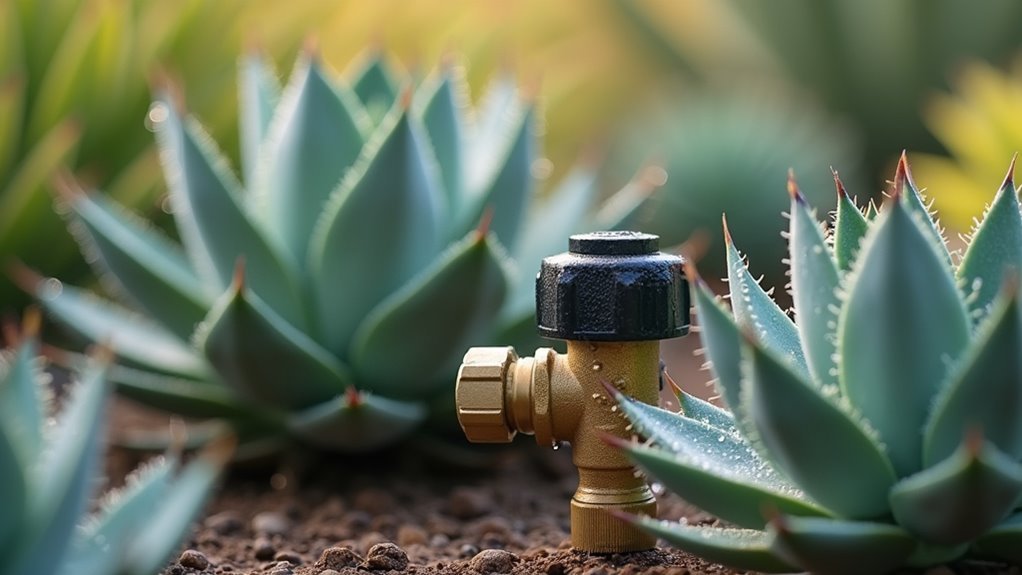
Smart irrigation controllers take targeted watering to the next level by automatically responding to weather conditions in real-time. These weather-responsive systems access local weather data to prevent unnecessary watering during rain events and adjust schedules based on wind and freeze conditions.
You’ll greatly reduce water waste while maintaining ideal plant health.
Smart irrigation technology integrates soil moisture sensors that detect dry zones, ensuring only areas needing water receive it. Your irrigation controllers customize watering patterns for different plant needs, considering factors like slope and sun exposure.
This water-efficient approach eliminates overwatering and adapts to changing environmental conditions. By implementing rain delays and real-time adjustments, you’ll lower irrigation costs while providing precise care for diverse garden landscapes through intelligent zone management.
Frequently Asked Questions
What Is the Most Efficient Garden Irrigation System?
You’ll find drip irrigation systems are the most efficient, delivering water directly to plant roots while reducing evaporation and runoff by up to 60% compared to traditional sprinklers you’d typically use.
What Is the Most Water-Efficient Irrigation System?
You’ll find drip irrigation systems are the most water-efficient option, delivering water directly to plant root zones while reducing evaporation and runoff by up to 60% compared to traditional sprinkler systems.
Are Smart Irrigation Controllers Worth It?
You’ll find smart irrigation controllers worth the investment since they’ll cut your water usage by up to 50%, reduce bills, and pay for themselves through long-term savings while keeping plants healthier.
How Long Should an Irrigation Zone Run?
You should run irrigation zones for 15-30 minutes depending on your soil type. Sandy soils need shorter times around 15 minutes, while clay soils require longer durations up to 30 minutes for proper penetration.

Leave a Reply